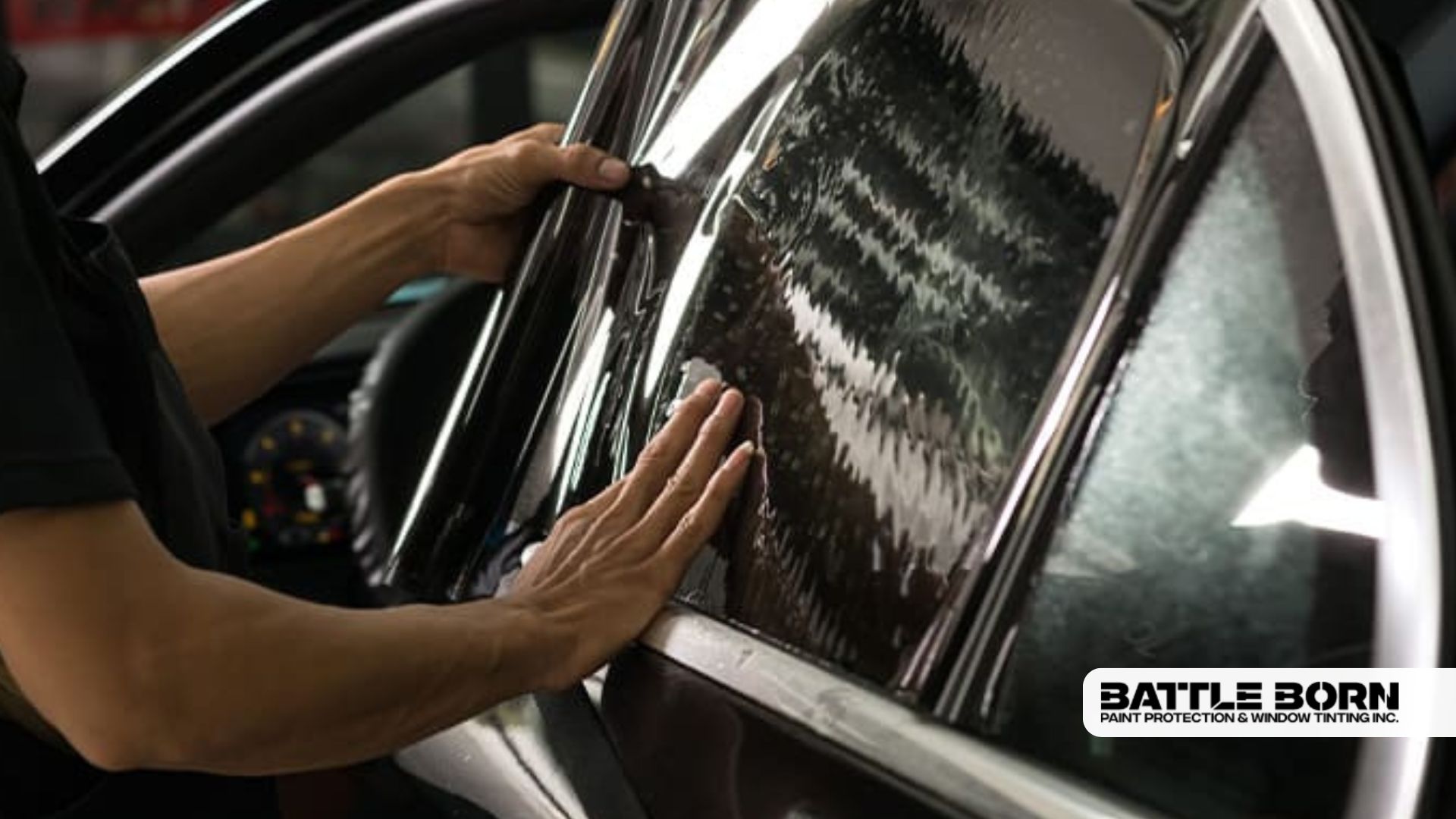
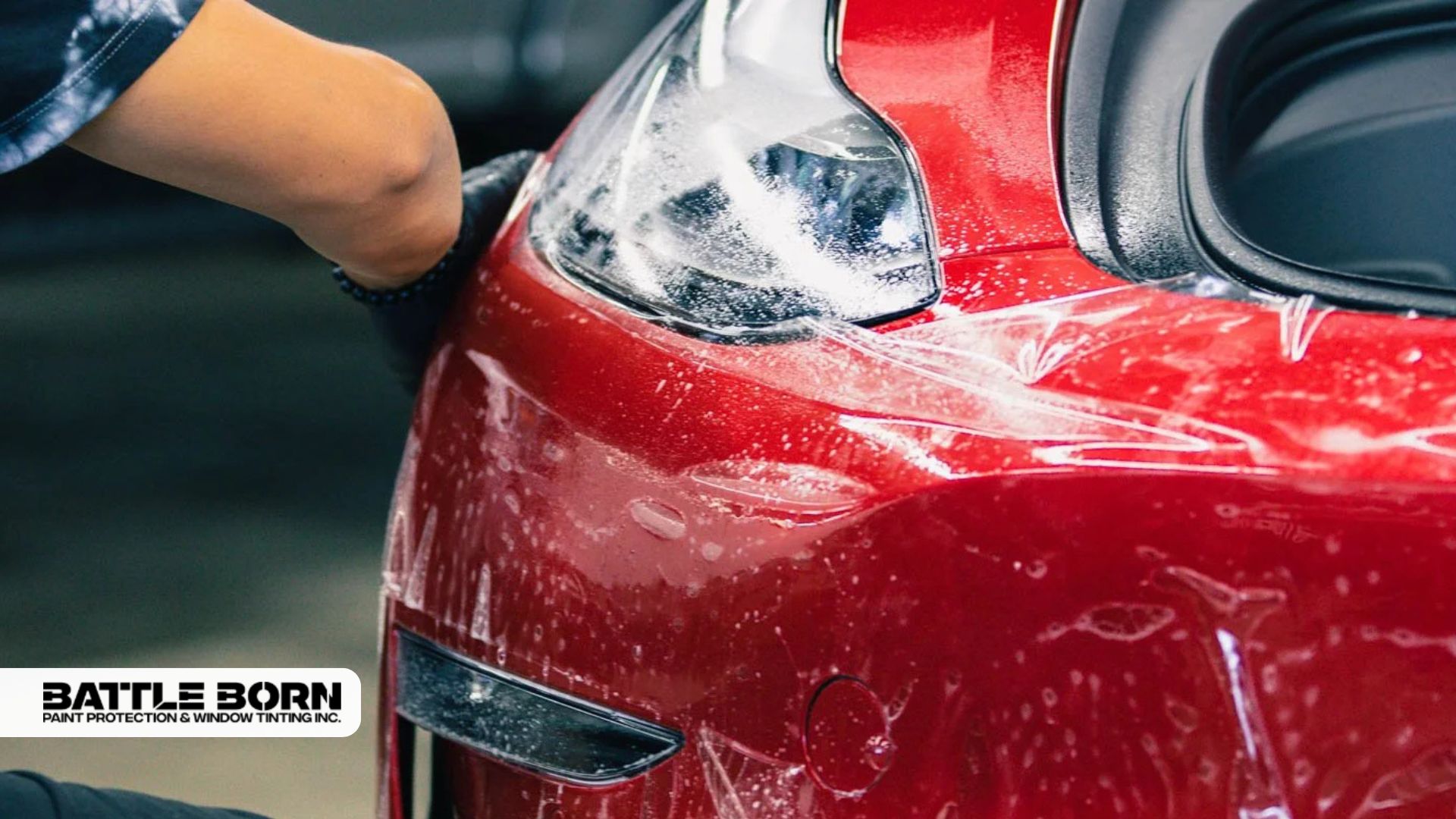
If you’ve lived in Reno long enough, you already know how quickly winter can shift from mild to intense. One week you’re driving comfortably around Midtown, and the next you’re facing early snow on I-80, icy mornings along Pyramid Highway, or slush collecting as you climb toward Mt. Rose Highway. As part of the Battle Born team, many of us drive these same roads every day, and we’ve seen firsthand how winter road preparation wears down a vehicle’s paint—especially when the car is brand new.
Before the salt trucks start rolling and the temperature begins to dip, taking a proactive approach to vehicle protection in Nevada makes a huge difference. This is where paint protection film becomes one of the smartest investments a Reno driver can make. A proper PPF installation doesn’t just shield your paint, it prevents the long-term wear that comes from months of snow, ice, and road chemicals. Winter road preparation is necessary for safety, but it’s also one of the biggest threats to a new car’s finish unless you protect it early.
What Winter Roads Really Do to New Car Paint in Reno
Even if you’re an experienced driver, winter road hazards can catch you off guard. The combination of salt, sand, gravel, and de-icer chemicals does far more than dirty your car—they actively break down the clear coat, accelerate fading, and create the perfect environment for long-term paint damage. Here’s what really causes trouble on winter roads:
- Salt and de-icer chemicals: These eat away at the clear coat and increase oxidation over time.
- Sand and gravel: Laid down for traction, but kicked up at high speed, creating rock chips across the bumper and hood.
- Moisture cycles: When daily temperatures rise and fall, the expansion and contraction of materials puts additional stress on unprotected paint.
These problems are especially noticeable in:
- The stretch between Reno and Sparks, where traffic throws debris constantly
- The climb toward Mt. Rose Highway, where traction gravel is used heavily.
- Rural Washoe County routes, where maintenance trucks lay down material early and often.
With winter road hazards like these, even a brand-new vehicle can start showing wear within weeks. That’s why so many local drivers turn to solutions that offer true impact protection, instead of relying solely on waxes or sealants.
The goal here isn’t to sell anything—it’s simply to help new car owners understand what they’re up against during Reno winters. Rock chips and paint damage are just part of the season unless you take steps to protect the finish.
Why Paint Protection Film Is Especially Valuable for New Vehicles
When a car is fresh off the lot, the paint is flawless, but it’s also at its most vulnerable. The clear coat hasn’t yet experienced real road stress, so the first winter can either leave it pristine or permanently marked.
Why New Car Paint Needs Extra Protection
- New clear coat hasn’t been exposed to abrasive materials, making scratches more obvious.
- The first chips are usually the ones that bother owners the most, because they break the “new car feeling” fast.
- Winter debris doesn’t give your paint time to adjust; damage starts immediately once chemicals and gravel hit the surface.
How Paint Protection Film Helps
A high-quality clear bra film gives new cars advantages that traditional waxing simply can’t match:
- Impact resistance against gravel, road debris, and high-impact areas like the bumper and hood.
- Self-healing PPF, which smooths out minor scratches when exposed to heat.
- Long-term gloss retention that keeps the paint looking fresh even after harsh climate exposure.
- Resale value preservation, since protected paint always shows better during trade-in or sale.
Installing paint protection film before the winter rush means locking in your factory finish at its best. Once the cold season hits, every mile driven on I-80 or US-395 becomes a test for your paint. With PPF installation done early, your car is far more likely to come out of winter looking just as it did on day one.
Why Winter Is the Most Strategic Time for PPF Installation
Every year we see the same pattern: once winter hits Reno, drivers start noticing the first chips and stains on their new vehicles. By then, the damage is already done. That’s why early winter prep is one of the smartest moves you can make. Paint protection film acts as preventive paint protection, shielding the surface before the sand, gravel, and de-icer chemicals start piling up on our roads.
The Freeze-Thaw Cycle Is Brutal on Exposed Paint
Reno’s climate swings make winter car care especially important. During the colder months, you might leave home with ice on your windshield and return in the afternoon to slush and moisture. This constant freeze-thaw action expands and contracts materials on your vehicle, and when the paint isn’t protected, micro-fractures in the clear coat can slowly develop. With PPF for daily drivers, you stop this kind of hidden seasonal protection issue before it starts.
Another thing most locals know well is timing. The Sierra side gets its first snow earlier than the downtown and Sparks areas, catching a lot of people off guard. Before they even realize it, traction gravel is already spread along Mt. Rose Highway, I-80, and Geiger Grade. Getting your PPF installation done before that first weather shift ensures your new car is ready for the entire season, not just the late part.

Key Areas of Your Vehicle That Need Extra Protection in Reno
Some parts of your car take more abuse than others, especially during winter driving around Reno. These high-impact zones are where gravel, sand, and debris strike at full force, often leaving chips within days if the paint is unprotected.
The Main Zones That Take the Biggest Hits
- Hood: Constant exposure to debris kicked up by vehicles on I-80.
- Front bumper: The most common spot for rock chips, especially during winter road preparation.
- Fenders: Catch debris thrown by your own tires and nearby vehicles.
- Rocker panels: Take a beating from gravel on US-395 and rural Washoe County roads.
- A-pillars: Impacted by wind-driven debris along open highways.
- Side mirrors: One of the most frequently damaged areas due to exposed positioning.
When winter arrives, these areas become high-risk zones almost immediately. Drivers heading up or down Geiger Grade or commuting through heavy construction patches near US-395 understand how quickly rocks bounce around in traffic.
Choosing the Right Coverage
For most Reno drivers, protective coverage options usually fall into two categories:
- Partial front PPF: Covers the bumper, part of the hood, and key impact zones.
- Full front PPF: Extends coverage across the entire hood and fenders for more complete defense.
Both options work, but the best choice depends on where you drive most often. Those who regularly travel mountain roads or unpaved routes around Washoe County typically lean toward full front PPF for stronger, season-long durability.
Choosing the Right PPF Installation Team in Reno
As much as we value a good product, the truth is that paint protection film performs only as well as the team installing it. A professional PPF installation requires far more than simply applying material over the paint. It takes precision, patience, and an understanding of how Reno’s environment affects the curing and long-term performance of the film.
What Makes a Quality Installation Stand Out?
- A clean, controlled workspace: Dust is a huge issue in Reno, and even a tiny particle can affect the finish.
- Precise cutting and alignment: Ensures clean edges and coverage that blends seamlessly with the vehicle.
- Proper surface prep: Removes contaminants that would otherwise create bubbles or discoloration beneath the film.
- High-quality materials: Not all films are created equal; choosing the right one matters for durability.
- Local climate expertise: Reno’s temperature swings, dry air, and winter moisture impact curing time and long-term results.
Here at Battle Born, we’ve built our process around these standards. As a trusted Reno installer, we work with the same roads, weather, and conditions our customers face every day. This local automotive protection knowledge is what allows us to deliver expert application and consistent results, season after season.
The goal isn’t to make a sales pitch—it’s to guide drivers toward choosing a team that understands the realities of protecting a vehicle in northern Nevada. When the installation is done right, PPF becomes a long-term investment that pays off every winter.
Ready to Upgrade Your Ride?
What to Expect During and After a Quality PPF Installation
1. Inspection
We always begin by evaluating the paint surface under proper lighting. Even brand-new cars often have micro-scratches, residue from transport, or light imperfections that need attention before installing paint protection film.
2. Paint Prep
Proper prep is one of the most important stages. This includes a thorough wash, clay bar treatment when needed, and sometimes light polishing. The goal is to create the cleanest surface possible so the film adheres perfectly.
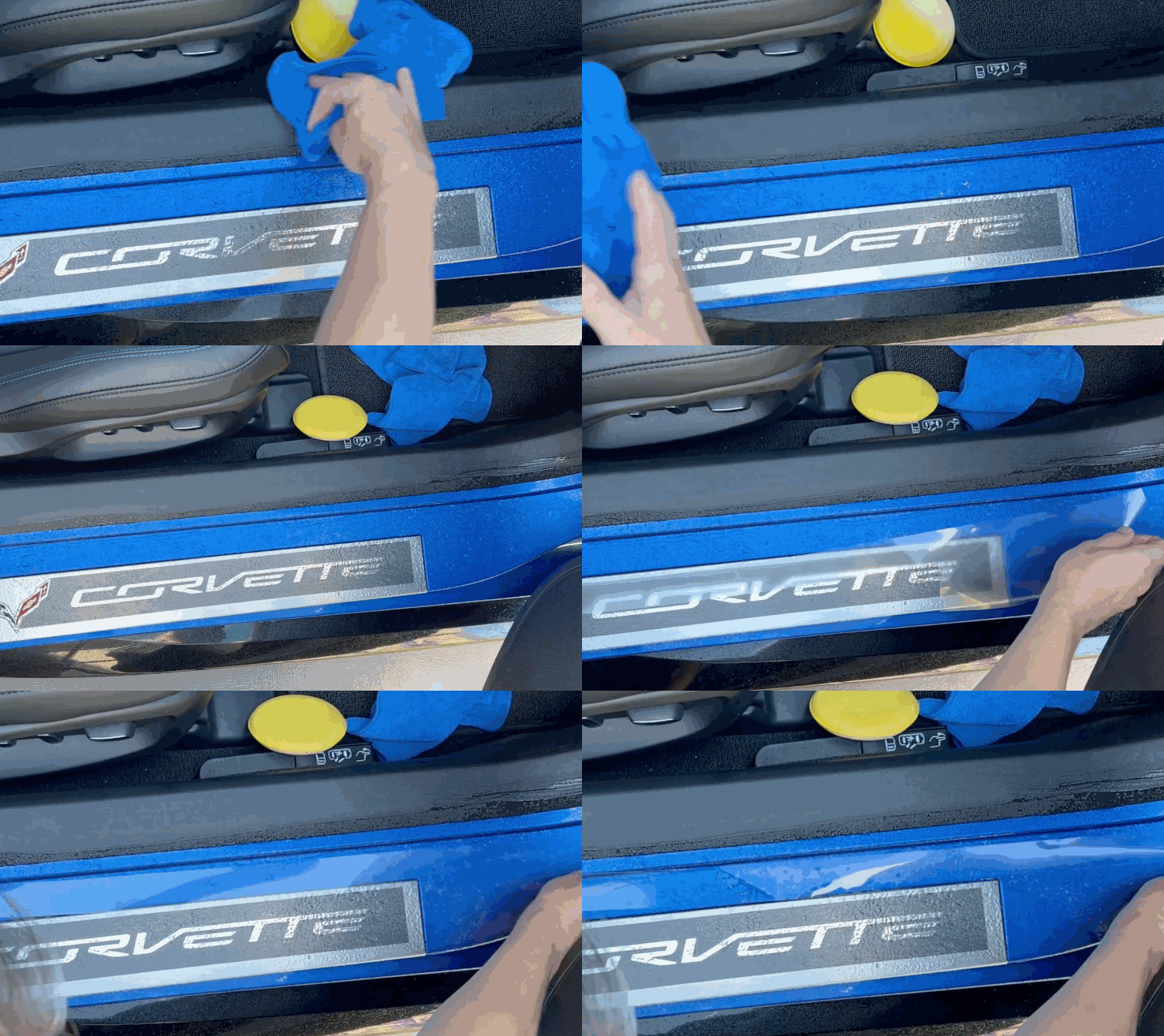
3. Film Application
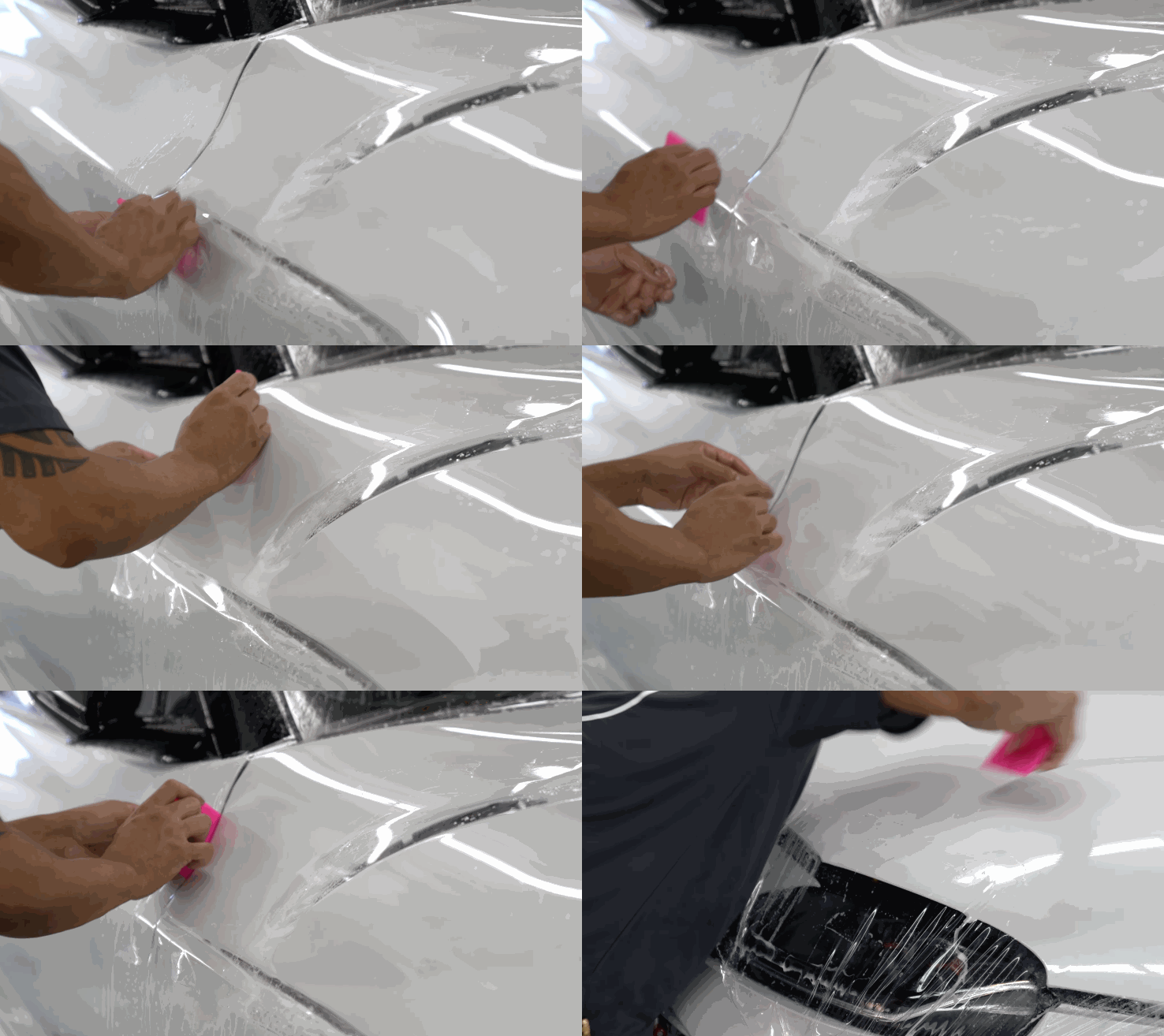
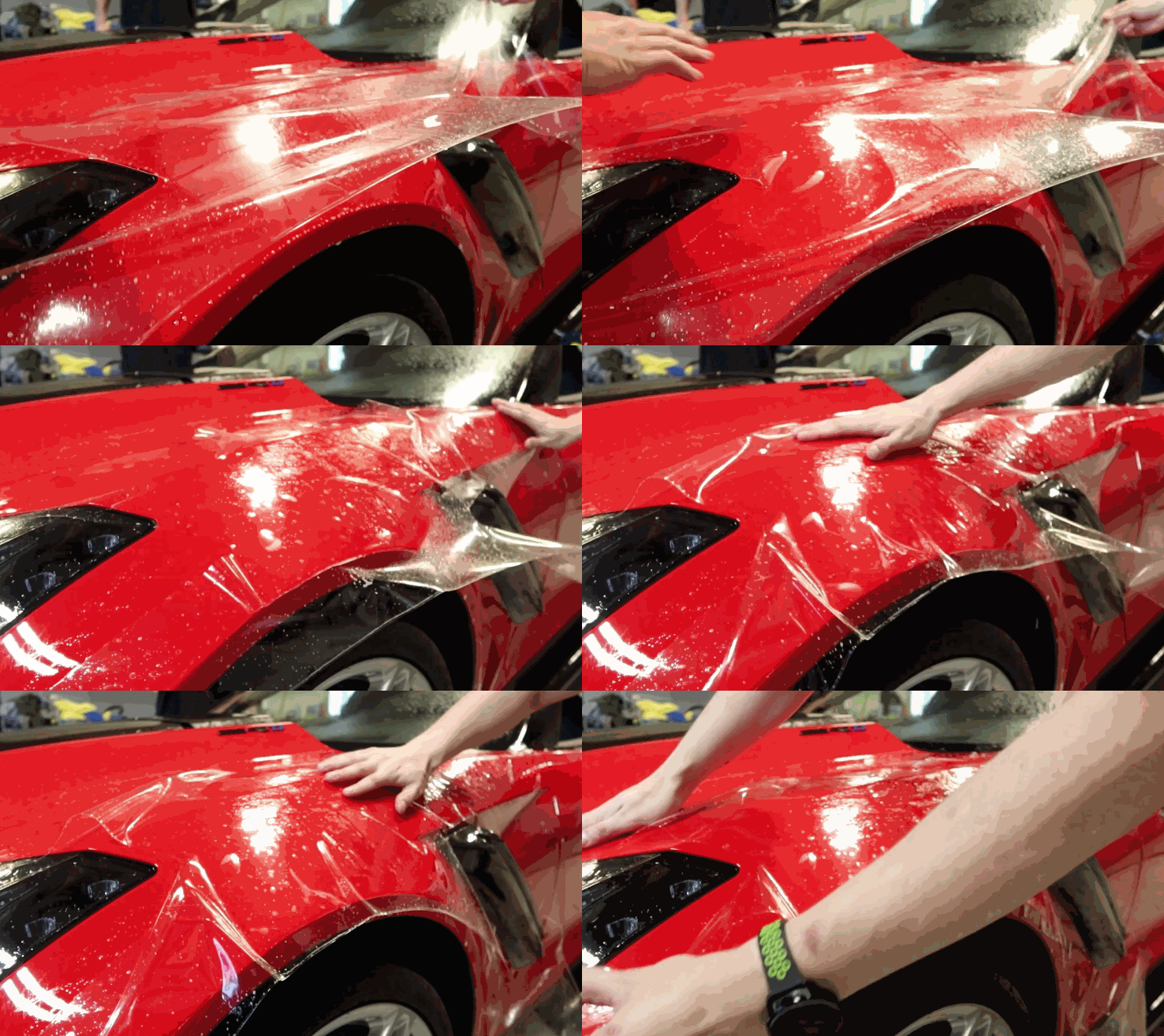
Using a combination of pre-cut patterns and precision hand techniques, the film is applied across the selected panels. This is where experience matters. Clean edges, correct alignment, and the right amount of slip solution all play a role in achieving a smooth, long-lasting finish.
4. Curing Time
Reno’s climate makes curing a bit unique. The dry air speeds up some aspects of the process, but our temperature shifts—from cold mornings to warm afternoons—mean certain areas of the film may take longer to settle. It’s normal to see slight hazing or moisture pockets during this period, and they resolve as the film cures.
5. Aftercare Instructions
This is where PPF maintenance becomes part of your routine. For the first few days, we recommend avoiding pressure washing and giving the film time to bond fully. After that, proper vehicle washing guidelines help extend the lifespan of your protection. Avoid harsh chemicals, stick to pH-balanced soaps, and keep an eye on high-impact zones during winter driving.
Reno’s Conditions and Why Aftercare Matters
Dust is a constant factor in northern Nevada, especially during windy weeks. Because of that, we always suggest more mindful washing practices after an installation. Gentle rinsing before wiping, regular inspections during curing time, and avoiding abrasive towels all contribute to the best long-term results. With the right aftercare, the film performs exactly as designed, even during winter.
How Reno’s Mixed Driving Terrain Tests Your Vehicle’s Paint
Reno is one of those places where a single day of driving can expose your car to several different environments. You might start your morning on well-paved city streets downtown, then jump onto I-580 for your commute, only to end up on rougher surfaces near Spanish Springs or along the outskirts of Washoe Valley by the afternoon. Each of these transitions brings its own set of challenges for your vehicle’s paint.
Why This Matters for Your New Car
- City driving exposes your paint to stop-and-go traffic, road grime, and tight parking spaces.
- Highway driving on routes like I-80 or US-395 increases the risk of high-speed debris, especially from trucks.
- Mountain routes such as Mt. Rose Highway or Geiger Grade bring gravel, snowmelt, and sudden temperature drops.
- Rural areas often have unpaved shoulders or loose rock that can chip paint within minutes.
Because of this mix, even drivers who don’t travel far can experience unexpected damage. That’s why many locals choose paint protection film as a year-round solution rather than only a winter upgrade.
How PPF Helps Handle These Conditions
A quality PPF installation works like a flexible armor against the unpredictable. It absorbs impacts, resists abrasions, and keeps the paint shielded whether you’re in the heart of Reno or climbing into the Sierra Nevada. For drivers who rely on their cars daily, this kind of protection keeps the exterior looking new even when the terrain is anything but gentle.
Conclusion: Getting Ahead of Reno’s Winter Roads With Smart Protection
Winter in Reno isn’t gentle on new car paint. Between the salt used on I-80, gravel along Mt. Rose Highway, and the freeze-thaw cycle that wears down a clear coat over time, your vehicle faces constant challenges during the colder months. That’s exactly why paint protection film is one of the most valuable upgrades you can make before winter roads hit.
As part of the Battle Born team, we’ve seen countless new cars come through our shop after just one season with noticeable paint damage—rock chips, stains, scratches, and dulling that could have been avoided with the right preparation. A high-quality PPF installation gives you the confidence to take your usual routes, whether you’re commuting through Reno and Sparks, heading up to the mountains on weekends, or navigating rural Washoe County roads.
Before winter arrives, think about how you drive, where you park, and how often you travel in areas where debris is common. Those habits help determine the coverage that makes the most sense for you, from partial front PPF to full front protection.
If you’re unsure which option fits your lifestyle best, we’re here to help. Reach out to Battle Born with any questions, and we’ll walk you through the process in a friendly, low-pressure way. Our goal is simple: help you keep your new car protected, looking sharp, and ready for every mile of Nevada winter ahead.
BATTLE BORN PAINT PROTECTION AND WINDOW TINTING
4.9  179 Google reviews
Window tinting service in Reno, Nevada