Paint Protection Film has become a long-term protection solution for many Reno drivers who want to preserve their vehicle’s finish beyond what waxes or sealants can offer. From our experience working with protected vehicles every day, PPF plays a key role in managing the wear that comes with real-world driving in Northern Nevada.
One important thing to understand early is that PPF replacement is a normal part of vehicle ownership. Paint Protection Film is designed to take abuse so your paint does not. Over time, exposure to sun, dust, road debris, and seasonal conditions around Reno naturally breaks the film down. Replacing it is not a sign that something failed, it means the film did its job.
Between strong UV exposure, dry air, wind-driven dust, and changing weather throughout the year, Reno presents unique challenges for vehicle surfaces. Paint Protection Film helps manage that stress, but like any protective layer, it has a lifespan that eventually comes to an end.
What Paint Protection Film Is Designed to Do Over Time
Paint Protection Film is built to act as a sacrificial barrier between your paint and the environment. In ownership terms, its purpose is simple, absorb damage so the paint underneath stays intact.
As the film does its job, it takes on impacts, abrasion, and environmental exposure that would otherwise affect your clear coat. This is why PPF durability is measured not by how long it looks perfect, but by how effectively it preserves the paint over time.
Paint Protection Film is designed to:
- Absorb minor impacts and surface abrasion
- Preserve factory paint and clear coat condition
- Extend the visual life of exterior surfaces
Understanding that PPF is sacrificial by design helps set realistic expectations. Wear on the film is a sign of protection working, not a problem in itself.
Visible Wear That Signals It’s Time for PPF Replacement
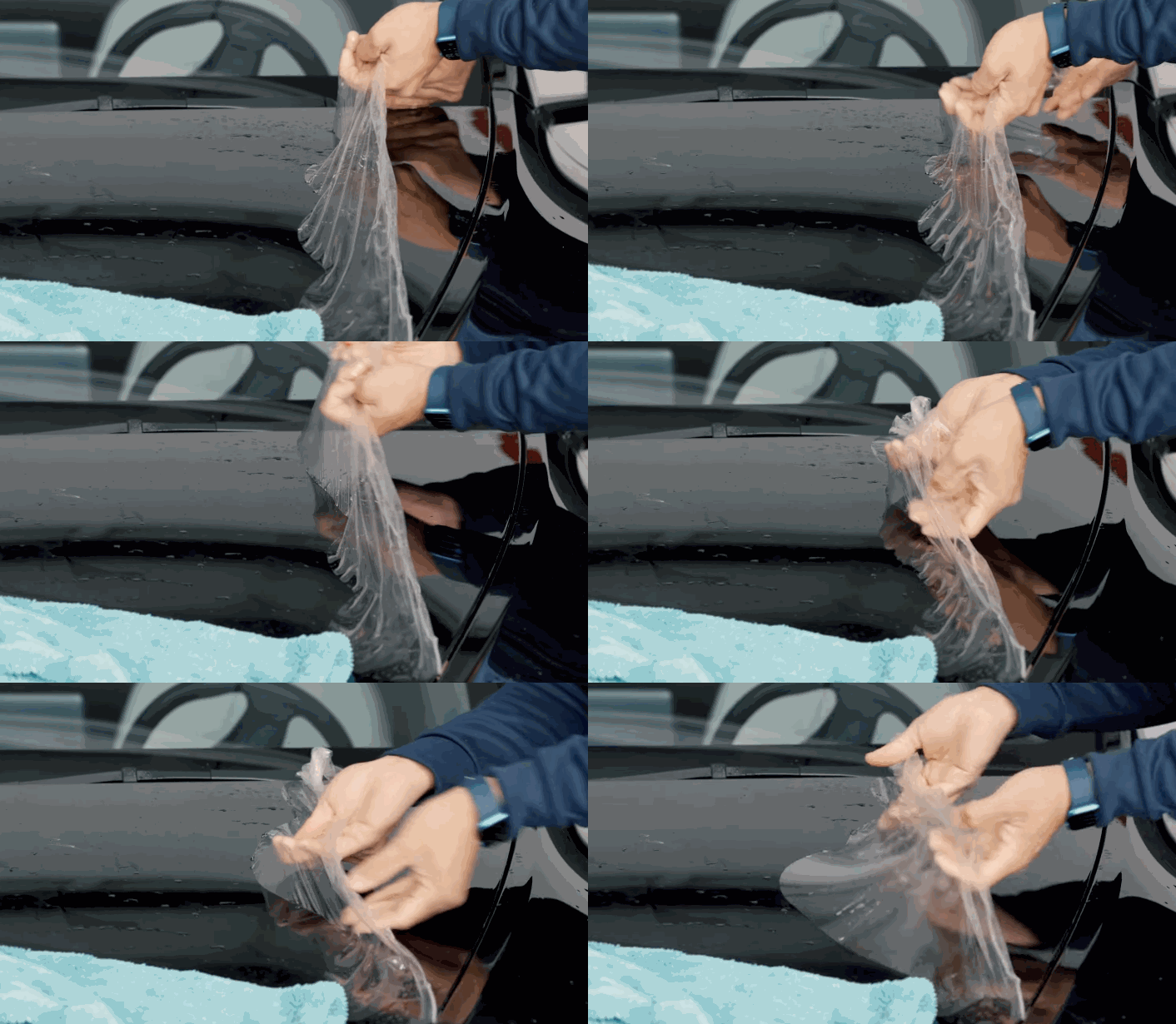
Physical wear on Paint Protection Film develops gradually, often starting subtly before becoming more noticeable. In Reno, prolonged sun exposure and dry climate conditions can accelerate this process compared to milder regions.
Over time, the film may begin to show discoloration, hazing, or lifting along edges and seams. These changes usually appear in areas that receive the most exposure, not because the installation was poor, but because the film has reached the later stage of its lifespan.
Common signs that PPF replacement may be approaching include:
- Yellowing or cloudiness affecting clarity
- Loss of smoothness or surface uniformity
- Edges beginning to lift or curl
PPF replacement at this stage restores both appearance and protection, preventing worn film from working against the paint underneath.
Loss of Clarity or Gloss in High-Exposure Areas
One of the earliest visual indicators of aging Paint Protection Film is a noticeable loss of clarity or gloss. While the paint beneath may still be in excellent condition, the film itself can begin to dull as it accumulates UV exposure and environmental stress.
This change affects more than appearance. Reduced clarity can mask the true condition of the paint and make routine cleaning less effective. In Reno, long-term exposure to intense sunlight and airborne dust gradually wears down the film’s surface, even with proper maintenance.
This stage of wear is a normal part of the PPF lifecycle. It does not mean the film failed prematurely, it means it has absorbed years of environmental exposure and is nearing the end of its protective role.
Peeling, Cracking, or Adhesion Issues
Adhesion issues typically develop later in the life of Paint Protection Film, once the material has been stressed by heat, UV exposure, and temperature swings. In Reno, vehicles that spend significant time outdoors experience greater expansion and contraction, which can affect how the film holds over time.
Edges and seams are usually affected first because they experience the most movement and exposure. As the adhesive weakens, peeling or cracking may occur, especially where panels meet or curves are more pronounced.
These issues often develop slowly rather than all at once. Addressing them through timely PPF replacement helps prevent dirt and moisture from becoming trapped, keeping the underlying paint protected and easier to maintain.
Why Old or Failing PPF Can Work Against Your Paint
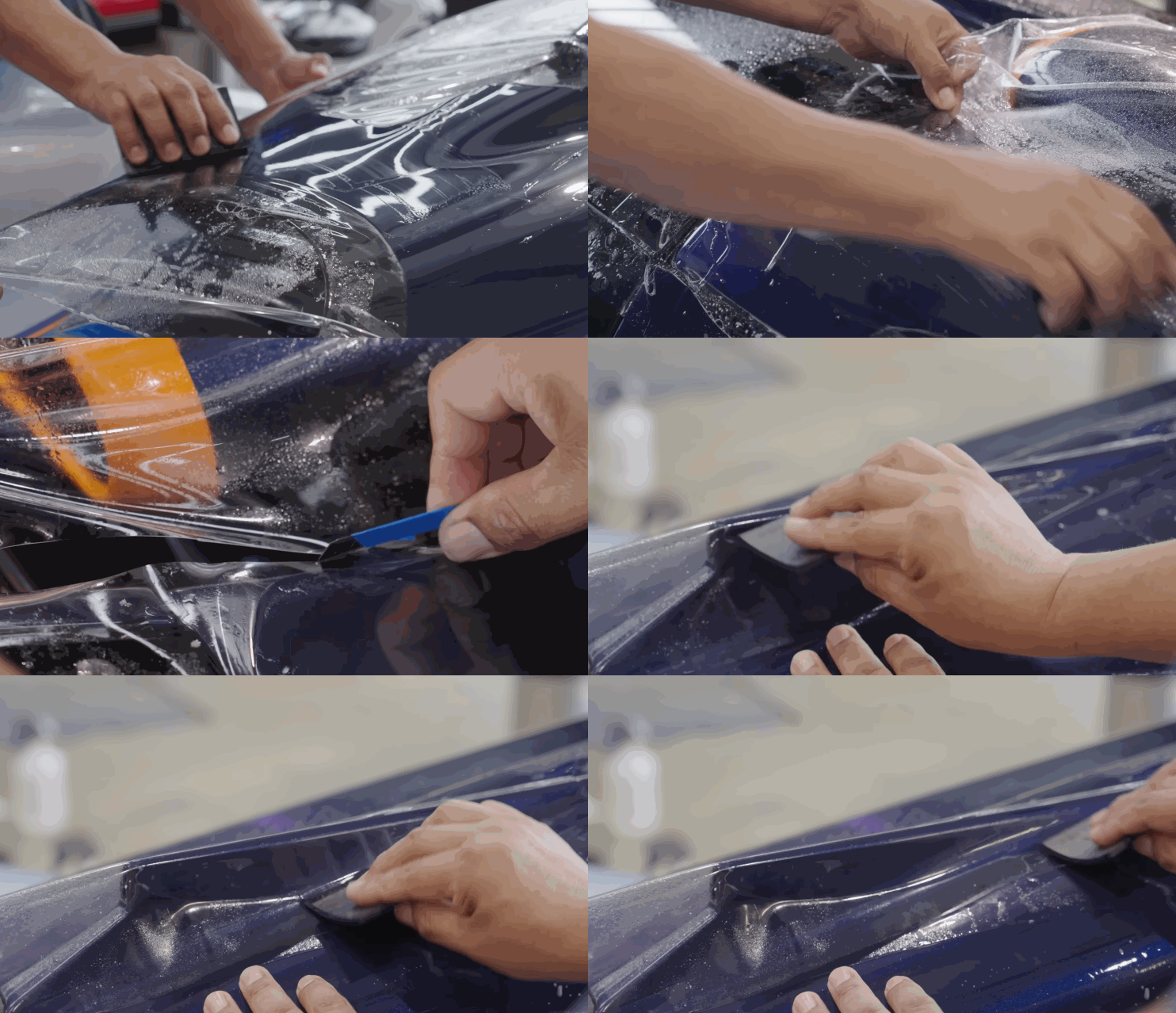
As Paint Protection Film ages, its surface and adhesive properties begin to change. Once the film starts breaking down, it can trap fine dust, moisture, and road grime along edges or beneath lifting areas. Instead of shielding the paint, degraded PPF can create pockets where contaminants sit against the clear coat for extended periods.
Delaying PPF replacement often means those trapped particles have more time to affect the paint underneath. In Reno’s dry, dusty environment, this buildup can accelerate surface wear and make removal more difficult later on. That is why we always frame replacement as preventative maintenance, not a repair after damage has already occurred.
At Battle Born, we help Reno drivers stay ahead of those issues by evaluating film condition early and recommending replacement before aging PPF starts working against the paint it was meant to protect.
How Long Paint Protection Film Typically Lasts in Reno
There is no single lifespan that applies to every vehicle, but Paint Protection Film durability is influenced heavily by local conditions. In Reno, strong UV exposure, temperature swings, and airborne dust all play a role in how long the film maintains its protective properties.
PPF lifespan is affected by several factors:
- Amount of sun exposure and outdoor parking
- Frequency and method of vehicle washing
- Driving patterns and environmental exposure
Vehicles that see daily use or prolonged outdoor exposure may reach the end of their film’s lifespan sooner than lightly driven or garage-kept cars. Understanding these variables helps set realistic expectations and avoid waiting too long for PPF replacement.
Ready to Upgrade Your Ride?
How We Evaluate PPF Condition for Reno Vehicles
Every evaluation starts with a consultation-first approach. We inspect the Paint Protection Film carefully, looking at clarity, adhesion, surface wear, and how the film is interacting with the paint underneath. Our goal is always to educate, not upsell.
Transparency matters. We explain what we are seeing, how it affects protection, and what options make sense based on the vehicle’s condition and usage. Because we work with Reno vehicles daily, we understand how local climate and driving patterns influence film aging.
Battle Born is known locally for providing honest assessments and realistic guidance, helping owners decide whether monitoring, partial service, or replacement is the right next step.

When PPF Replacement Makes More Sense Than Repair
While small issues may seem repairable, partial fixes are not always the best long-term solution. Once Paint Protection Film begins to degrade across a panel, repairing isolated areas often leads to uneven performance and appearance.
In many cases, PPF replacement delivers better long-term results by restoring full protection and uniform adhesion. This approach avoids mismatched aging and ensures the new film performs consistently across the surface.
Choosing replacement over repair prioritizes durability and protection rather than short-term visual improvement, especially when the film has reached the later stages of its lifecycle.
Conclusion: Don’t Let Aging PPF Undercut Your Paint Protection in Reno
Signs like discoloration, loss of clarity, lifting edges, and adhesion issues all point to Paint Protection Film reaching the end of its service life. In Reno’s demanding climate, recognizing those signs early helps prevent unnecessary paint wear.
Our team understands how local conditions affect PPF performance and when replacement makes sense for long-term protection. If you suspect your film may be past its prime or want a professional evaluation, Battle Born is here to help.
Contact Battle Born today to discuss PPF replacement options and keep your vehicle’s paint protected for the road ahead.
BATTLE BORN PAINT PROTECTION AND WINDOW TINTING
4.9  179 Google reviews
Window tinting service in Reno, Nevada